
The Road of Beauty and the Precipice
Death in VeniceThis flow traces the movement from beauty as a possible route to spiritual insight toward beauty as an invitation into moral and physical danger.
increasing Bearing strength in each event
 decreasing
Bearing strength in each eventdecreasingThe Theoretical Road

The Theoretical Road
Beauty and spirit
Aschenbach considers beauty a sensory form through which the spiritual may become visible. The idea connects artistic perception with a search for something beyond ordinary experience.
A route with uncertainty
Beauty offers direction, not guaranteed arrival. The distinction becomes important as Aschenbach begins to confuse contemplation with permission to pursue.
Desire Gains a Philosophy
Desire Gains a Philosophy
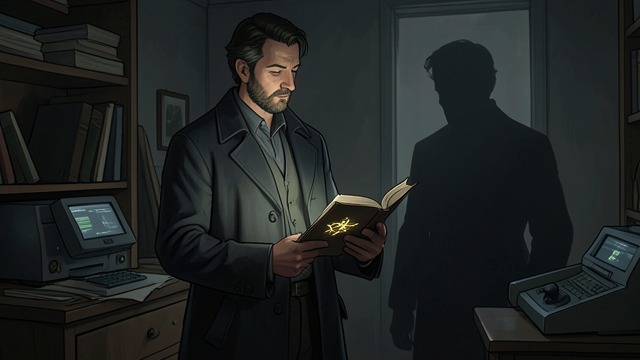
Feeling interpreted
Aschenbach applies mythic and philosophical ideas to his attraction. The language of Eros makes desire seem part of a venerable artistic tradition.
An unstable defense
The intellectual framework deepens his experience, but also protects it from plain moral examination. Thought becomes both a genuine inquiry and a means of self-excuse.
The Beautiful Image Pursued
The Beautiful Image Pursued
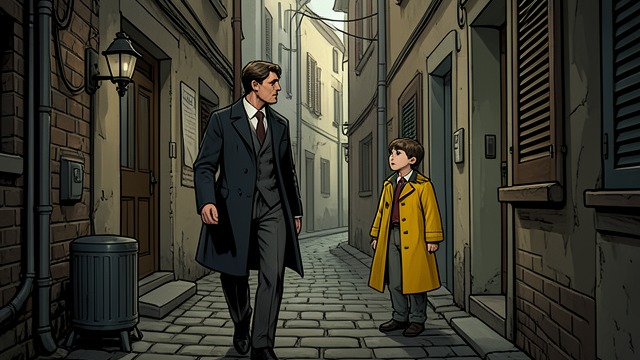
Looking becomes action
Aschenbach follows Tadzio through Venice rather than remaining at a distance. The object once contemplated as an ideal is now something he tries to keep within view.
The road bends downward
His conduct shows that aesthetic elevation has not removed possessiveness. The path from sensation to spirit has become entangled with secrecy, fatigue, and moral compromise.
The Precipice Named
The Precipice Named
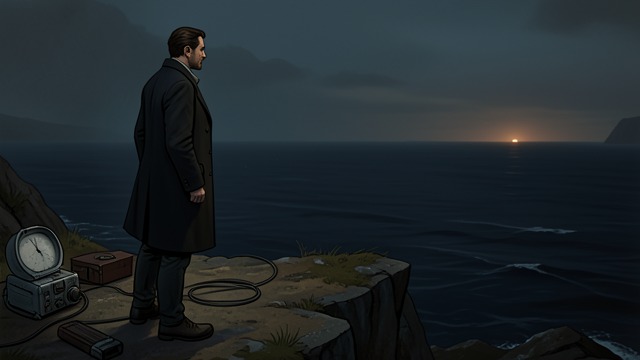
A late recognition
Aschenbach argues that poets who pursue beauty may be led toward intoxication and the precipice. His thoughts identify the danger after his choices have already carried him close to it.
Insight without rescue
The recognition is lucid but ineffective. The artist can describe the moral risk of his path without finding the will to turn back.
The Final Approach
The Final Approach
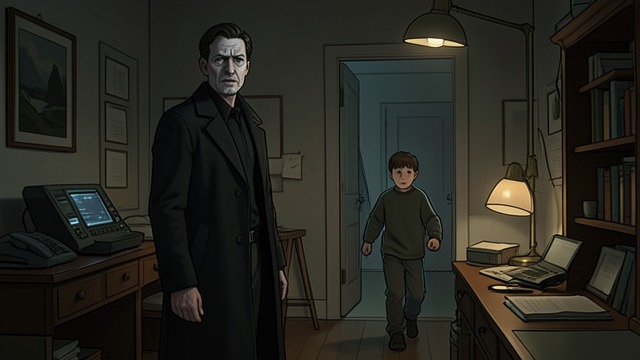
A signal imagined
Aschenbach reads Tadzio’s distant movement as an invitation and rises to follow. The beautiful image now functions as an immediate command.
The precipice reached
He collapses before reaching the boy. The road ends not in spiritual possession but in death, leaving beauty powerful, ambiguous, and beyond his control.
During Aschenbach’s first sustained reflections on Tadzio
During the beachside meditation on Eros
After the family’s church visit
During the final inner monologue in Venice
At the moment of Aschenbach’s collapse
